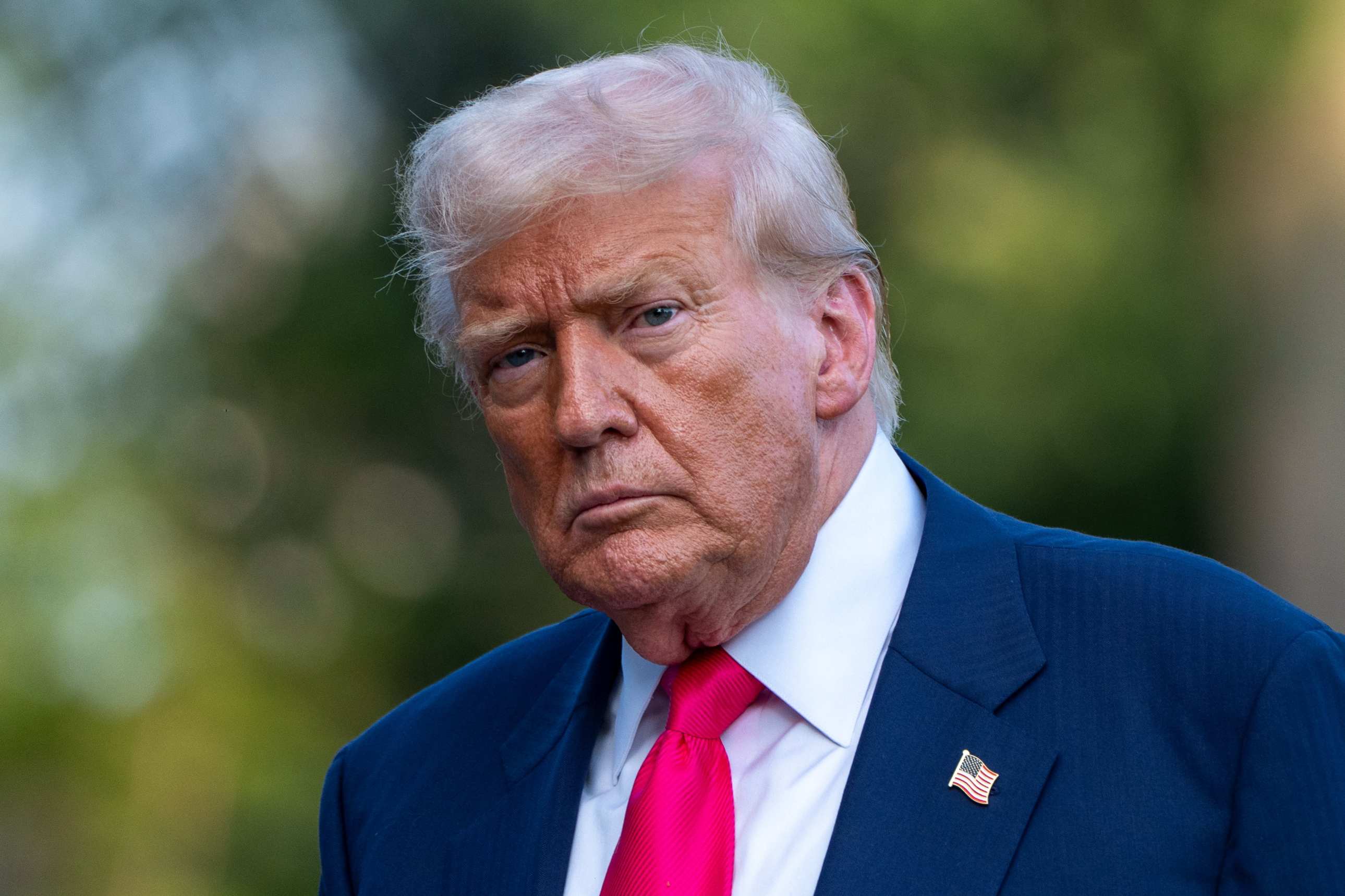
U.S. President Donald Trump has ordered a new review to determine whether several branches of the Muslim Brotherhood should be labeled as terrorist organizations, a move that could reshape Washington’s strategy toward one of the Arab world’s most influential Islamist movements.
The review will take 45 days and may lead to sanctions and restrictions on Brotherhood chapters in multiple countries.
Trump signed an executive order on Monday instructing Secretary of State Marco Rubio and Treasury Secretary Scott Bessent to examine whether Muslim Brotherhood groups in Egypt, Jordan, Lebanon, and other nations should be classified as Foreign Terrorist Organizations or Specially Designated Global Terrorists.
Once the report is submitted, the administration will have 45 days to implement any recommended designations.
The White House said the review is necessary because some Brotherhood factions have supported or encouraged attacks against Israel and U.S.-aligned governments or provided assistance to Hamas, the Palestinian group already designated as a terrorist organization by the United States.
In a statement, the administration said: “President Trump is confronting the Muslim Brotherhood’s transnational network, which fuels terrorism and destabilization campaigns against U.S. interests and allies in the Middle East.”
The move reflects ongoing pressure from Republicans and conservative activists who have long urged Washington to formally target the Brotherhood, arguing that its ideology inspires extremism.
Trump first sought such a designation during his previous term, but the plan stalled amid concerns from U.S. diplomats and intelligence officials about potential fallout with key Middle Eastern partners. After starting his second term, Rubio confirmed the administration was once again considering the measure.
The renewed effort follows Texas Governor Greg Abbott’s announcement last week of a state-level designation against the Muslim Brotherhood. While largely symbolic, the Texas action highlights how the issue has become increasingly politicized within the United States.
Founded in Egypt in the 1920s to promote Islamic values and counter secular trends, the Muslim Brotherhood quickly spread across the Middle East, becoming a major political force. It has operated openly in some countries and clandestinely in others, influencing national politics in Egypt, Jordan, Sudan, and beyond.
While some branches have engaged in elections and renounced violence, others have faced accusations of maintaining connections with extremist groups or supporting militant activities.
If Trump follows through with the designations, the affected Brotherhood chapters would face sanctions, financial penalties, and tight restrictions on their operations. Such steps could affect U.S. relations with countries where the Brotherhood has long-standing influence and may reshape regional dynamics.




























Comments
Sign in with Google to comment, reply, and like comments.
Continue with Google